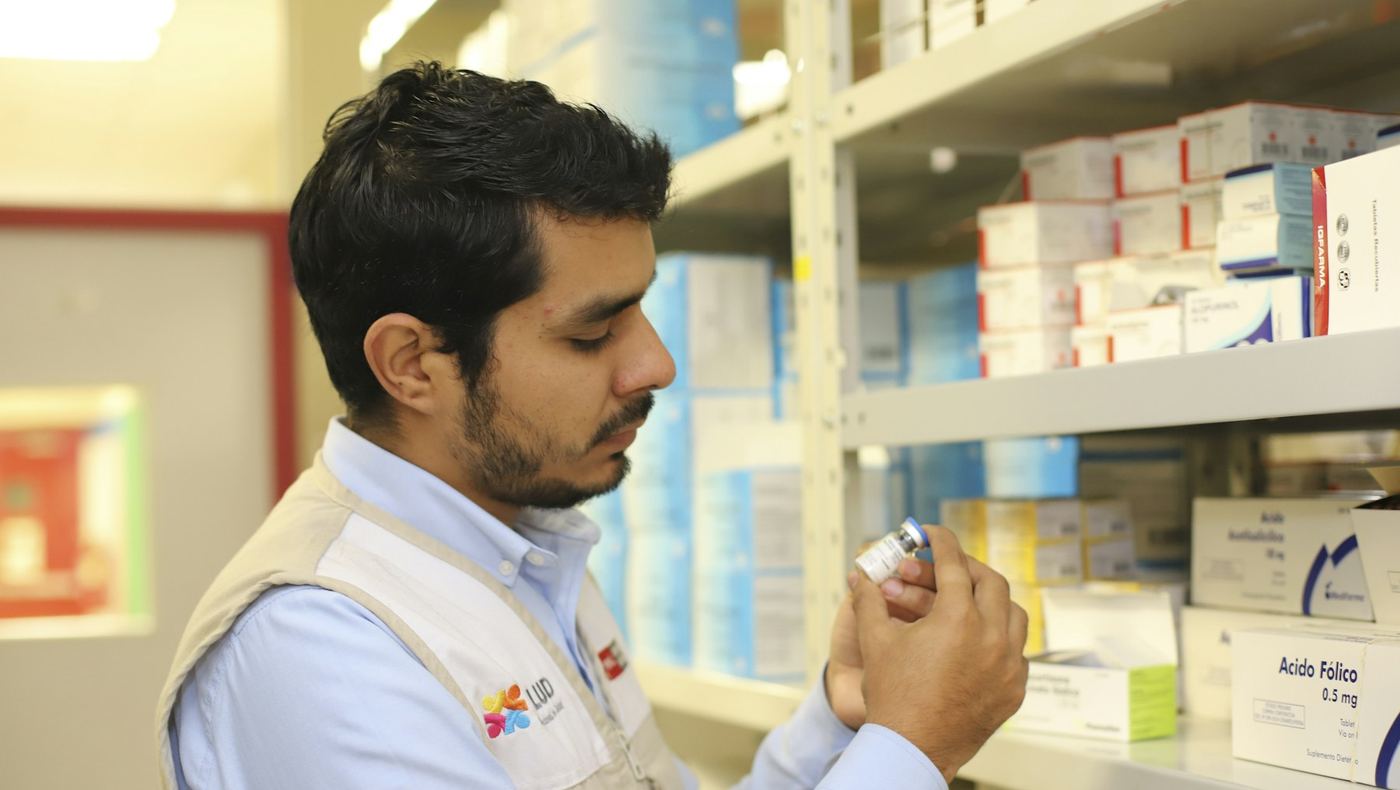
Dental, pharmacy and therapy programs and their aid
Dental, pharmacy and therapy programs range from two-year associate degrees to doctoral study, and the money changes with the level. This piece sorts the common programs by level and names the office to ask about each.
Associate and certificate programs
Dental hygiene, dental assisting, respiratory therapy, physical therapist assistant and occupational therapy assistant programs are often offered at community colleges. At that level the Federal Pell Grant, state grants and the college's own scholarships do most of the work, and the FAFSA opens all three.
These programs are selective and usually admit one class a year, so their departments often hold scholarships for students already admitted. Some dental offices and hospitals pay toward school for assistants and aides who want to move up within the practice.
Professional doctoral programs
Dentistry, pharmacy, physical therapy and occupational therapy are usually studied at the doctoral level, where Pell no longer applies. The school's own scholarships, assistantships and state awards carry more weight, and each school sets its own deadlines.
Dental students can apply to the National Health Service Corps Scholarship, and the armed forces' health professions scholarships include dentistry, each with years of service afterward. The Indian Health Service Scholarship Program covers several of these fields for American Indian and Alaska Native students.
Field-specific sources
National and state associations in each profession give student awards, often through their foundations. Hospital pharmacies sometimes pay toward school for pharmacy technicians on staff, and some states fund speech-language pathology study for people who agree to work in public schools.
Clinical rotations in these fields are usually unpaid, which affects your budget for those terms. Ask the department's clinical education director when rotations fall and whether they require travel, and share that schedule with the aid office.
Board exams and licensing come at the end of each of these programs, and their fees arrive in the final months. Some aid offices can add the cost of a first professional license to your cost of attendance, so ask before your last term begins.
Clinical rotations in these fields are usually unpaid, which affects your budget for those terms.
What you can do this week
- Find out whether your program is an associate or doctoral one
- Ask the department office about scholarships for admitted students
- Look up your profession's state association awards
- Ask the clinical education director when rotations fall
Who to ask
The department's program director and the financial aid office
Worth remembering : Aid for dental, pharmacy and therapy programs shifts with the level of study, from Pell at community college to service scholarships at the doctoral level.