Electrical, welding and HVAC programs and their aid
Electrical work, welding and heating and cooling share shop floors at many colleges, but the money behind each one tends to come from different places. This piece walks through the usual training route for each trade and the funding that tends to follow it.
Electrical work
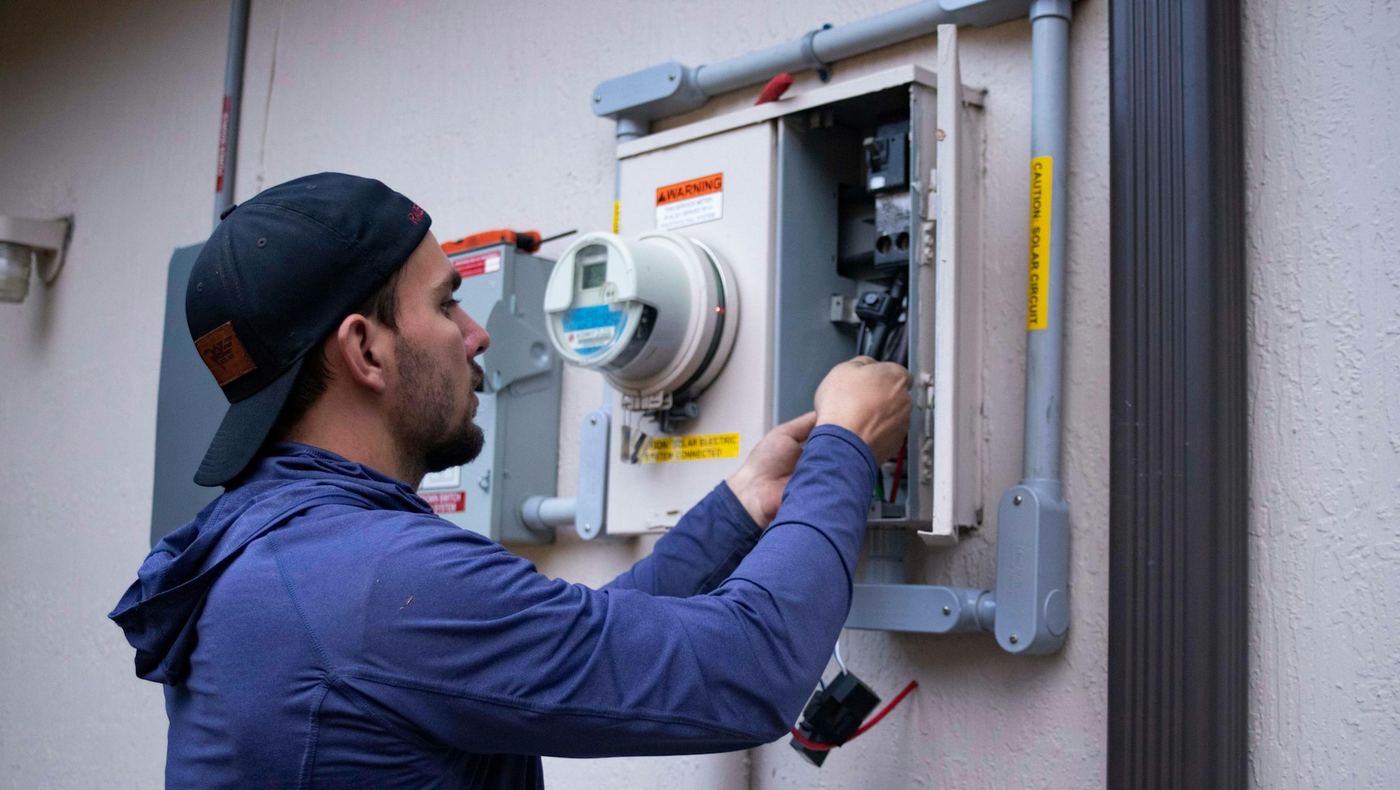
Most electricians learn through a registered apprenticeship that combines several years of paid work with classroom hours, followed by a state or local license exam. Apprentices usually earn a wage from the start, and the classroom side is often paid by the employer or by a training fund that contractors and an electrical workers' union run together. A college certificate in electrical technology can come first and may count toward some apprenticeship hours, depending on the program.
Electrical contractor associations and their local chapters give scholarships to students in pre-apprenticeship and college programs. Ask the program director which local contractors take on graduates as apprentices.
Welding
Welding certificates often run from a few months to a year, which places some within reach of the regular Pell Grant and some newer short ones within reach of Workforce Pell. Consumables cost a great deal in welding, since rod, wire, gas and metal coupons are used up every week, so ask how the program charges for them. A national welding society and its local sections run scholarship programs for students in welding and joining.
Many employers test welders themselves before hiring, and some pay for further training once you are on the job. Ask the shop instructor which certification tests the program offers on site.
Many employers test welders themselves before hiring, and some pay for further training once you are on the job.
Heating, ventilation and air conditioning
HVAC programs range from short certificates to two-year degrees, and many include preparation for EPA Section 608 certification, which federal rules require for anyone who handles refrigerants. Some HVAC technicians also train through apprenticeships sponsored by contractors or by a pipe trades union. Contractor associations, refrigeration service groups and equipment makers fund student awards in this field.
Because the three trades are often taught in the same building, a single program office may know about awards for all of them. Ask it for a list of local and trade-specific funds, and file the FAFSA so the college can add any state or federal grant.
What you can do this week
- Ask the program director which route your trade usually takes
- Find out how welding consumables are charged
- Ask whether EPA Section 608 testing is offered on site
- Ask the program office for its list of trade-specific awards
Who to ask
The program director for your trade
Worth remembering : Each of these trades has its own route and its own funders, so ask about the trade as well as the school.