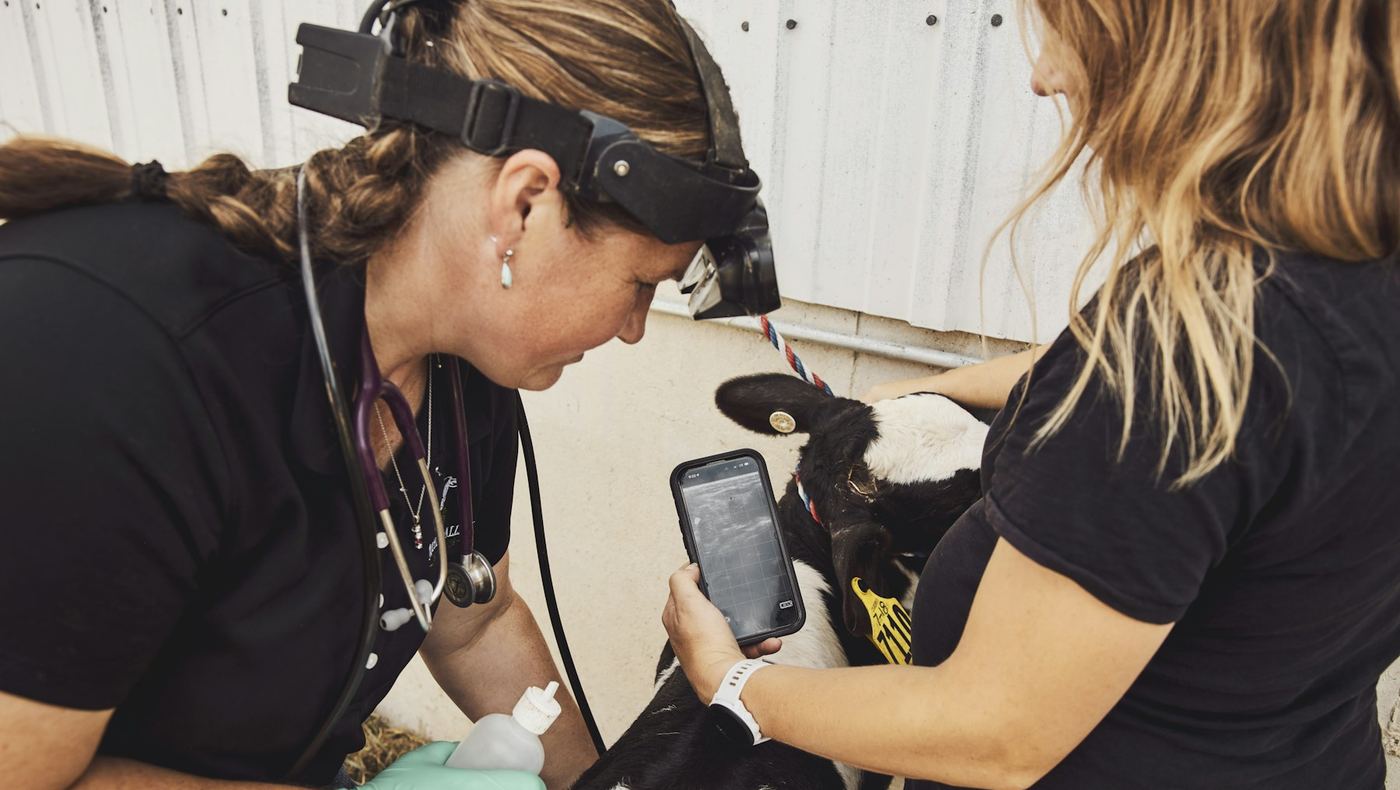
Veterinary technology and animal science
Work with animals, as a veterinary technician or in animal science, takes people into clinics, on farms, in labs and in shelters. Here you can see where funding for each path tends to come from, what the clinical side adds to the bill and whom to ask before you enroll.
Veterinary technology programs
Most veterinary technology programs are two-year associate degrees at community and technical colleges, with some four-year options. Check that the program is accredited by the national veterinary profession's accrediting committee, because most states require graduates of accredited programs to sit for the credentialing exam.
The college's financial aid office handles the Federal Pell Grant and state grants for these programs. Veterinary clinics sometimes help employees pay for the degree, often with an agreement to keep working at the clinic for a set time afterward.
Scrubs, a stethoscope, required vaccinations such as a rabies series and the national credentialing exam fee all add to the cost. Ask the aid office which of these can be counted in your cost of attendance.
Animal science majors
Animal science departments at land-grant universities hold funds from livestock groups, breed associations and alumni. Students on livestock or meat judging teams sometimes receive team awards, and the coach can explain the conditions.
Many departments run farm units, such as a dairy, a swine barn, a beef herd or a horse center, that hire students for feeding, milking and record keeping. These jobs pay an hourly wage and often fit around class schedules.
Ask the department office whether farm unit jobs can be paid through the Federal Work-Study program. Work-study earnings are left out of income on a later FAFSA, while ordinary wages are counted.
These jobs pay an hourly wage and often fit around class schedules.
Planning toward veterinary school
Students headed for veterinary school usually major in animal science or biology first. Some states hold seats or contract arrangements for their residents at veterinary schools in other states, and your state's higher education agency can tell you whether yours does.
Getting into veterinary school usually requires hours of hands-on animal experience under a veterinarian. Paid jobs at a clinic, a department farm or a research animal facility can count toward those hours while helping with school costs.
What you can do this week
- Confirm the veterinary technology program is accredited
- Ask the aid office which clinical costs count in your budget
- Ask the animal science department about farm unit jobs
- Ask your state's higher education agency about veterinary school seats
Who to ask
The program director and the college's financial aid office
Worth remembering : Check accreditation first, then look to the clinic, the department farm and the aid office for help with costs.